
Top Career Change Courses That Are Actually Worth It
Three years ago, my friend Maria was stuck in retail management dreaming of a coding job. She had a brand-new laptop, a lot of determination, and zero desire to spend $15,000 on a bootcamp. Today, she's a full-stack developer at a health-tech startup—and she never set foot in a coding school. Her secret? She took one of the non bootcamp paths to software developer that we're about to unpack. If you're ready to pivot without burning your savings, these are the courses and strategies that actually deliver results in 2026.
Why Avoid the Bootcamp Grind?
Bootcamps can work for some people, but the price tag often hits five figures and the pace is relentless. Many graduates still struggle to land jobs because employers care more about what you can build than a certificate. Non bootcamp paths to software developer let you learn at your own speed, spend little to no money, and build a portfolio that speaks louder than any credential.
In 2026, the tech industry has moved past the “hire everyone with a certificate” frenzy. Hiring managers look for problem-solving skills, real projects, and a genuine passion for coding. You can develop all of that without a bootcamp—if you pick the right resources.
The Best Non-Bootcamp Paths to Launch Your Coding Career
After talking to dozens of career changers and testing platforms myself, here are the five non bootcamp routes that actually lead to a software developer job.
1. Free University-Level Courses (That Rival a CS Degree)
Harvard’s CS50: Introduction to Computer Science is the gold standard. It’s entirely free on edX, and it’s the exact same course Harvard students take. Maria started here, and she still says the problem sets taught her to think like a programmer.
MIT OpenCourseWare and Stanford’s online offerings are also treasure troves. These courses give you a rigorous foundation without a dime. Pair them with a community study group, and you’ve got a bootcamp-level experience for free.

2. Structured, Self-Directed Curriculums
If you prefer a clear path but want to avoid institutional prices, The Odin Project and freeCodeCamp are unbeatable. The Odin Project walks you from zero to full-stack JavaScript or Ruby on Rails with projects you’ll proudly display on GitHub. freeCodeCamp adds thousands of coding challenges and a supportive forum.
I completed the Responsive Web Design certification on freeCodeCamp over six weekends. It gave me five portfolio projects and the confidence to apply for junior front-end roles. No one ever asked if I attended a bootcamp—they just looked at my code.
3. Low-Cost Subscription Platforms
Sometimes a small monthly fee gets you a more polished learning experience. Team Treehouse and Codecademy Pro combine video lessons, interactive exercises, and career-focused tracks. They’re not free, but at $25–$40 per month, they’re a fraction of a bootcamp.
Our top Online Learning Subscriptions picks — hand-picked tools and resources we recommend to readers of Code Your Way to Freedom.
See recommendationsThese platforms often partner with tech companies to design their content, so you’re learning exactly what’s in demand right now. Plus, many offer 7-day trials, so you can test the waters before committing.
4. Paid Apprenticeships and Earn-While-You-Learn Programs
Companies like Microsoft, IBM, and even local startups now offer software developer apprenticeships that require no prior experience. You get paid to learn on the job, and the conversion rate to full-time roles is high. These are perhaps the most hidden of all non bootcamp paths to software developer, but they’re growing fast.
In 2026, check platforms like Apprenti and your state’s workforce development board. These programs are competitive, but a polished resume and a few solid projects can get you in the door.
5. Open Source & Community-Driven Learning
Contributing to open source projects forces you to read real code, work with version control, and collaborate remotely—exactly what developers do every day. Start with good-first-issue labels on GitHub, join a Discord community like CodeNewbie, and learn in public. It’s the fastest way to build a network and a reputation.
Enjoying this article?
Get more like it delivered to your inbox.
Want a step-by-step roadmap for becoming a developer without a bootcamp? Sign up for our free 7-day email course and get a customizable study schedule.
What Matters More Than a Bootcamp Certificate
Hiring managers in 2026 care about three things: your GitHub profile, your ability to explain code, and your soft skills. A bootcamp certificate rarely tips the scale. I’ve been on both sides of the hiring table, and I can tell you that a well-documented side project beats a certificate every time.
Focus on building at least two full-stack applications, writing clean README files, and practicing mock interviews with a friend. If you can clearly walk someone through how you designed your app, you’re already ahead of many bootcamp grads.
How I Switched Careers Without a Bootcamp
Four years ago, I was a journalist making $38,000 a year. I had no coding background. I tried a free Python course on a whim, got hooked, and spent eight months following The Odin Project and CS50. I built a weather app, a to-do list with a database, and a small e-commerce clone. I put everything on GitHub, started writing about my progress on Medium, and ended up with a remote front-end developer job at a fintech company.
The process was messy and nonlinear, but it worked. I didn’t have a single credential—just curiosity, a portfolio, and the ability to talk about my code. If I can make the jump, you can too.
Ready to take the next step?
Explore our recommended tools and resources to put this into practice.
Learn moreWant the exact resume template, GitHub checklist, and interview prep guide I used? Grab “The Career Switcher’s Code” toolkit—the digital product that helped 2,000+ people land their first tech job.
Is a Non-Bootcamp Path Right for You?
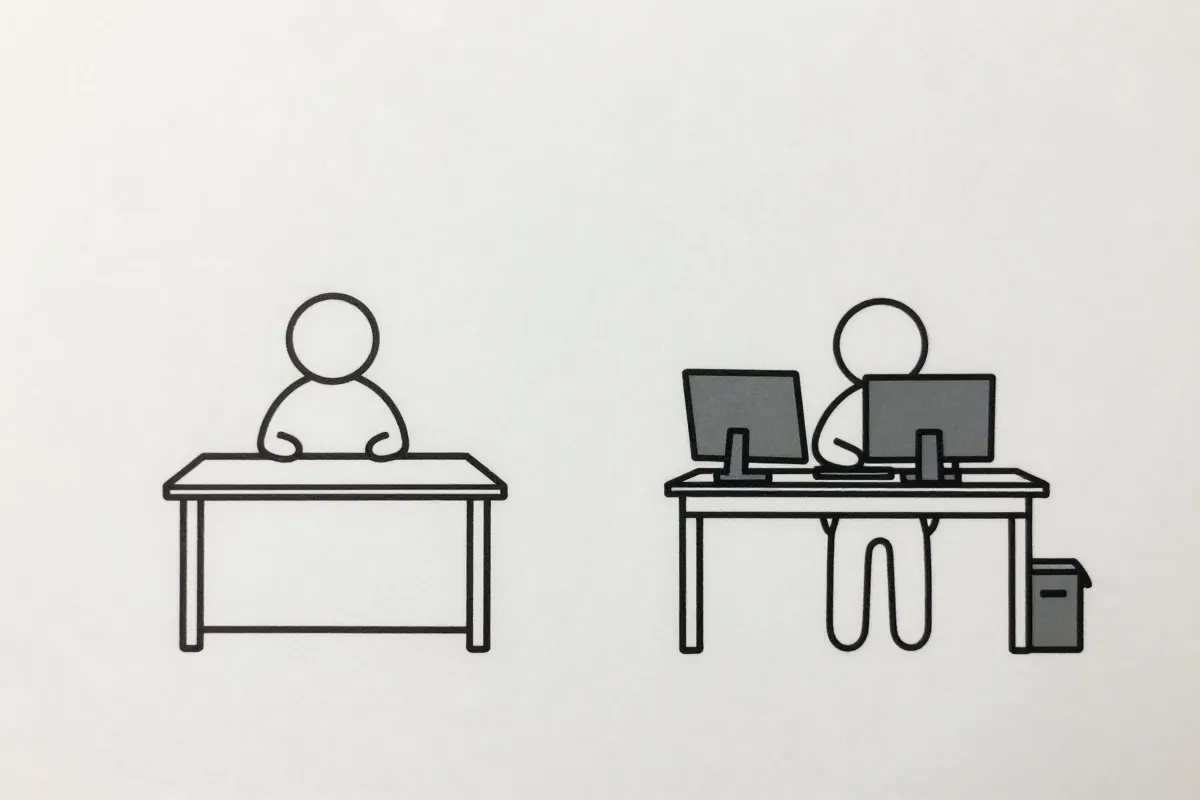
Self-directed learning takes discipline. You won’t have a cohort pushing you every day. But if you can set a weekly schedule and enjoy solving puzzles, you’ll thrive. Here’s a quick comparison:
- Cost: Free to $300/month vs. $10,000+ for bootcamps.
- Flexibility: Learn evenings, weekends, or early mornings—perfect for parents or full-time workers.
- Outcome: A portfolio of real projects rather than a piece of paper.
- Time: Most people land jobs in 9–15 months with consistent effort.
If you’re someone who learns by doing and can hold yourself accountable, the non bootcamp route is not just viable—it’s often superior.
Steps to Get Started Today
- Pick one resource (I recommend starting with CS50 or The Odin Project).
- Commit to 10–15 hours per week and join an online community for accountability.
- Build your first small project within 30 days—even if it’s just a simple calculator.
- Share your progress publicly on Twitter or a blog. It builds a personal brand and attracts opportunities.
- After 3 projects, start applying for junior roles or apprenticeships. You’ll be surprised how far you’ve come.
The tech industry doesn’t care where you learned to code—it cares that you can solve problems and work with a team. These non bootcamp paths to software developer prove that every day.
If you’re ready to change your career without the crippling debt, pick one course from this list and start this week. Your future self will thank you.
